I Just Gave Up My Car
Collecting, connecting and sharing stories of car free lives.
A site by the Foundation for Integrated Transport.
Explore the stories
Share your story
Share your story
Investment in cars, roads and infrastructure for car travel continues to dominate in the UK, with the associated negative impacts of air and noise pollution, carbon emissions, road danger, congestion and cost. The Foundation is aware of the perceived barriers to switching away from cars, and actively seeks to hear from individuals or organisations offering solutions and ideas that would facilitate the transition to car-free living and the benefits that this brings. We are interested in applications for the development of potential new technology or services that could aid individuals in giving up their car, either for a period of time, or indefinitely.We provide funding in the form of grants, typically between £2,000 and £30,000, and also social investments, which can range from £25,000 to £100,000, and funding is also available through a combination of these options.We are also keen to hear from organisations or individuals who have already made the transition, how they achieved this and the impact that this has made.
Shop Swap
I gave up my car for shopping
"We got a lot of skeptical looks from friends and family. 'How will you manage with the kids?' they'd ask. But we were determined to give it a shot."
"At first, it was a bit of a challenge. We had to plan our trips carefully, making sure we could walk or take public transport to the stores we needed. But we soon realized that it wasn't as difficult as we thought. We discovered hidden gems in our neighborhood that we'd never noticed before, and we even started enjoying the leisurely pace of walking."
"We found that by bringing reusable bags and planning our meals ahead of time, we could make fewer trips and carry less stuff. And the kids loved helping out. They felt like they were on a treasure hunt as we explored the local shops."

Takeaways:
Plan ahead: By planning your shopping trips and meals in advance, you can reduce the number of trips you need to make.
Explore your neighbourhood: Discover hidden gems in your local area that you might have missed before.
Make it a family adventure: Involve your family in the shopping experience to make it more enjoyable for everyone.
Weekend Wandering
I gave up my car for exploring
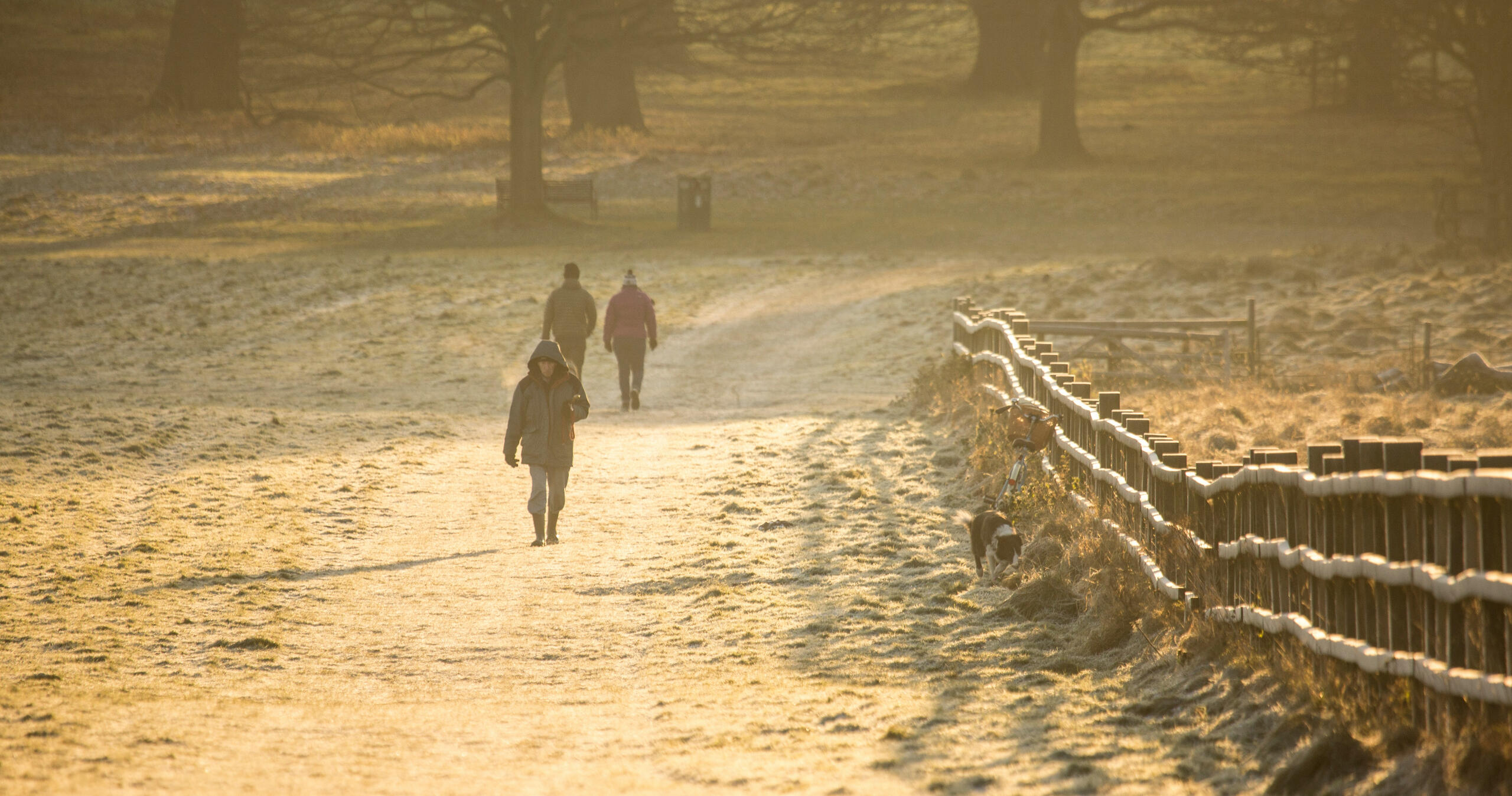
"The weekends used to be a blur of gas station stops and highway monotony, but then I ditched my car, and a whole new world of adventure opened up."At first, planning weekend getaways by public transport seemed daunting. I had to meticulously plan train routes, bus schedules, and sometimes even ferry crossings. But the challenge was part of the fun. It forced me to think creatively and embrace the unexpected.I discovered hidden gems I'd never known existed. Small coastal towns, historic villages, and quaint market towns, all accessible by train or bus. I could spend hours wandering through charming streets, sampling local delicacies, and soaking up the atmosphere. The best part? These adventures were often cheaper than driving, as public transport tickets were more affordable and I didn't have to worry about fuel costs or parking fees.One of my favorite weekend escapes was a coastal town a few hours away by train. I spent my days strolling along the beach, exploring quaint shops, and enjoying fresh seafood. In the evenings, I'd relax with a good book by the sea or join locals for a pint at a cozy pub.By embracing public transport, I not only saved money but also gained a deeper appreciation for the beauty and diversity of my region. Every weekend became an opportunity for adventure, and I couldn't imagine going back to the old way of traveling.Sarah Sawyer
Takeaways:
Discover Hidden Gems: Explore smaller towns and villages that are often overlooked by car travellers.
Save Money: Public transportation and walking are often more affordable than driving.
Slow Down and Enjoy the Journey: Take your time and savour the experience of traveling without a car.
Connect with Local Culture: Immerse yourself in local culture by interacting with locals and trying local new places, supporting local economies.
Reduce Your Carbon Footprint: Contribute to a more sustainable future by choosing car-free transportation.
City Commute
I gave up my car for commuting
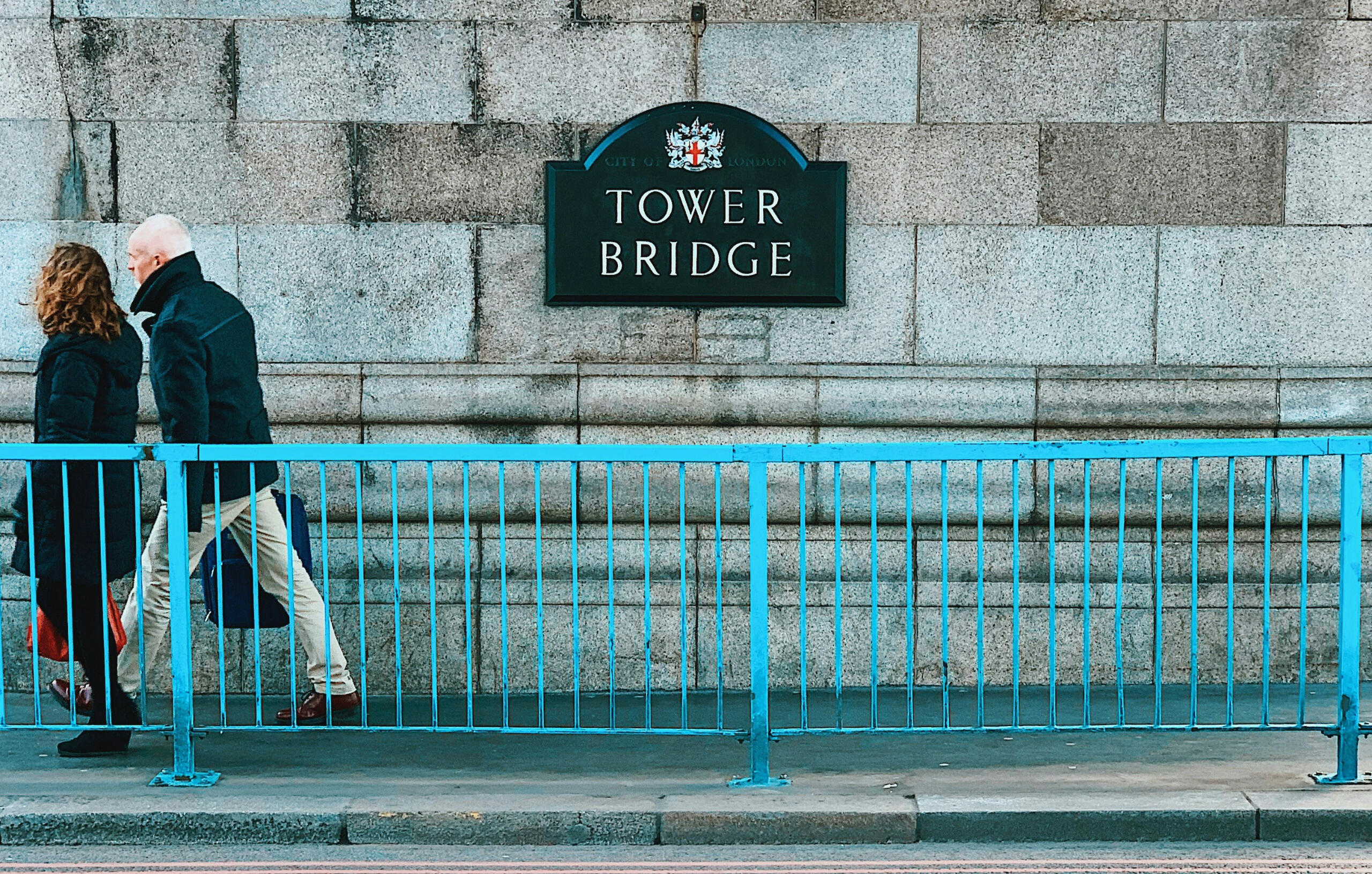
"How will you get to work on time without a car? You'll be late every day!" was what my friends said but I was determined. I’d seen the toll my car was taking on my wallet and the environment, and I was ready for a change.The first few weeks were a bit of an adjustment. I had to wake up earlier to catch the bus, and the commute was longer than I expected. But as the days turned into weeks, I started to appreciate the unexpected benefits. I had more time to read, listen to podcasts, or simply relax on my way to work. I also discovered new coffee shops and bookstores along my route that I would have never found otherwise.The biggest surprise was the positive impact on my health. I was walking more, taking the stairs instead of the elevator, and feeling more energised. I even started joining a running club and found a whole new community of like-minded people.One of the most satisfying aspects of my car-free lifestyle was the feeling of contributing to a better future. I knew that I was reducing my carbon footprint and helping to alleviate traffic congestion. I also felt more connected to my city and its people.Now, I realize that giving up my car has not only made my life more sustainable but also more fulfilling. I'm no longer stressed about traffic jams or parking, and I have more time to focus on the things that matter most to me.Alex Bridges
Takeaways:
Unexpected Benefits: Giving up a car can lead to surprising benefits, such as increased productivity, reduced stress, and a more relaxed lifestyle.
Discover Hidden Gems: Explore your city and uncover hidden gems like local shops, cafes, and parks that you might have missed while driving.
Sustainable Lifestyle: Car-free commuting contributes to a more sustainable future by reducing carbon emissions and traffic congestion.
Time for Yourself: Use the extra time gained from a car-free commute to pursue hobbies, read, or simply relax.
Community Connection: Engage with your community by walking, biking, or using public transportation, fostering a sense of belonging.
Improved Health: Increased physical activity can lead to better health, weight loss, and reduced risk of chronic diseases.
Financial Savings: Reduced fuel costs, parking fees, and car maintenance expenses can lead to significant savings.
Mental Well-being: A car-free lifestyle can reduce stress and anxiety, leading to improved mental health.